
An automatic transmission is the unsung hero of your vehicle, ensuring seamless gear changes and a comfortable driving experience. However, when this complex system fails, it can feel like your car is holding you hostage. From delayed gear engagement to strange noises, the signs of transmission trouble are hard to ignore. Understanding the intricacies of auto transmission repair can save you from unnecessary stress and costly mistakes. For many drivers in Hong Kong, finding a reliable specialist is crucial, and auto transmission repair by Wing Cheong Auto Transmissions offers a trusted solution for getting your vehicle back on the road safely.
Call Now
The Heart of Your Vehicle: Understanding Automatic Transmissions
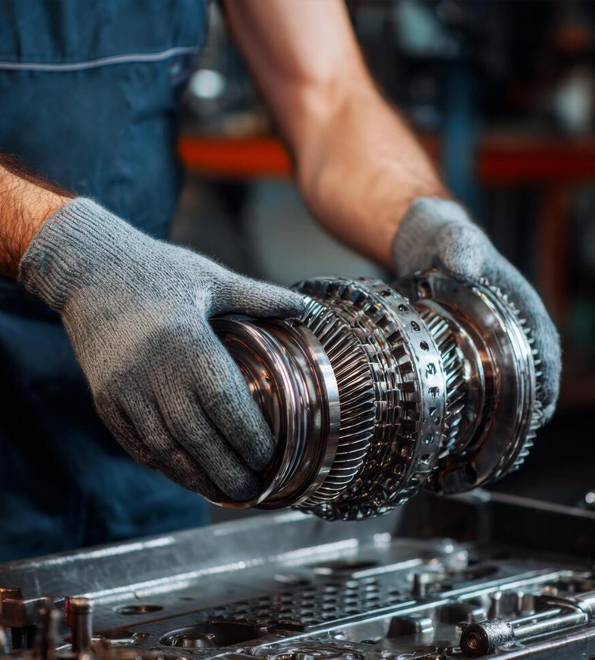
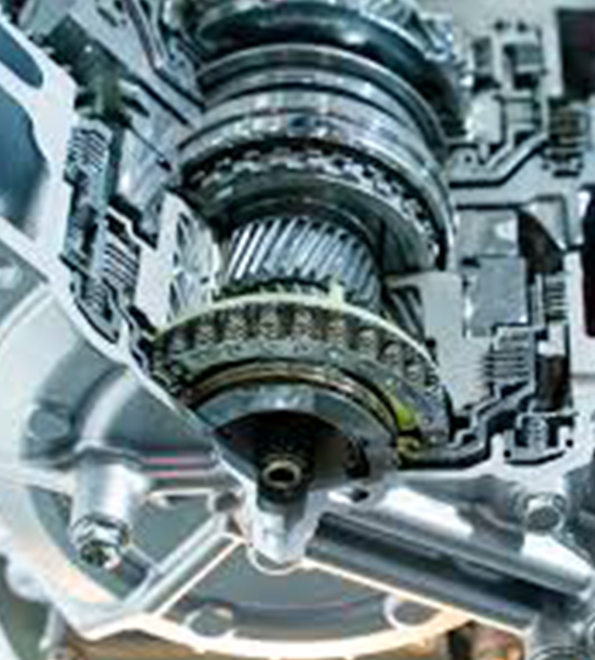
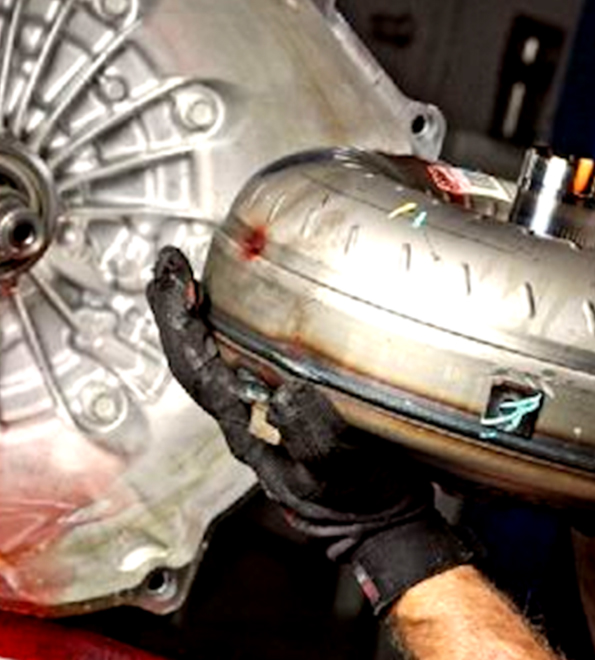
Modern vehicles, especially those navigating the stop-and-go traffic of city driving, rely heavily on automatic transmissions. Unlike manual gearboxes, automatic systems use a complex network of hydraulics, electronics, and mechanical components to shift gears. The key to a healthy transmission is the automatic transmission fluid (ATF). This fluid serves as a lubricant, coolant, and hydraulic medium that facilitates power transfer from the engine to the wheels. Over time, this fluid degrades, and components wear out, leading to performance issues.
Many drivers make the mistake of ignoring early warning signs, hoping the problem will resolve itself. Unfortunately, transmission issues rarely disappear on their own. What starts as a minor fluid leak can quickly escalate into catastrophic failure. When transmission fluid levels drop too low, the internal components lose their vital lubrication and cooling.
Common Signs Your Transmission Needs Attention
Recognizing the early warning signs can be the difference between a minor repair and a costly replacement. If you notice any of the following symptoms, it is time to consult a professional specialist like Wing Cheong.
Delayed Engagement
You shift from Park to Drive, but there is a noticeable pause (more than 1-2 seconds) before the vehicle engages. This often points to low fluid levels or a faulty solenoid.
Slipping Gears
The engine revs high, but your vehicle doesn't accelerate accordingly. This "slipping" feeling is a classic sign of internal wear or clutch pack failure.
Rough Shifting
If the car jerks, clunks, or slams into gears, it could be due to dirty transmission fluid or a valve body issue.
Fluid Leaks:
Transmission fluid is typically red or pink. If you see puddles of this fluid under your car, a leak is present.
Burning Smell:
A distinct burning odor often indicates that the transmission fluid is overheating or severely degraded, potentially due to friction.
Our services
Why Choose Specialized Auto Transmission Repair?
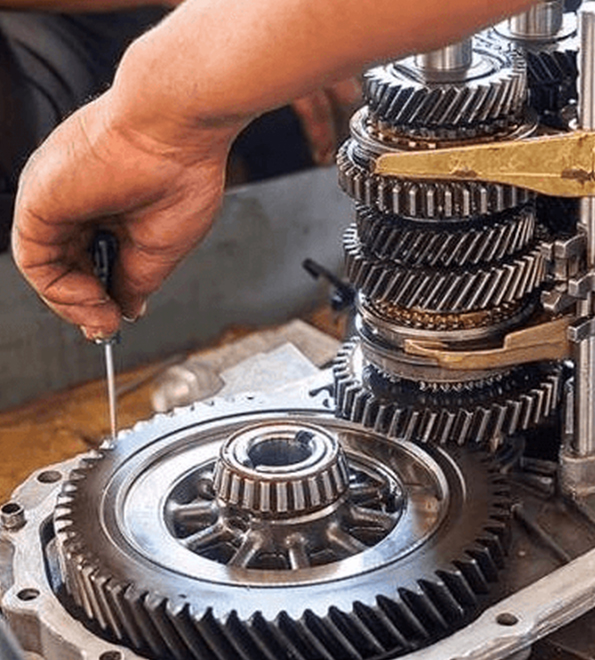
Transmission repair is not a task for general mechanics. The complexity of modern transmissions requires specialized diagnostic tools and extensive knowledge. Opting for auto transmission repair by Wing Cheong Auto Transmissions ensures your vehicle is handled by specialists who understand the nuances of different makes and models.
Understanding Your Repair Options
When facing transmission trouble, you generally have a few options. A professional service center can help you navigate these choices based on the extent of the damage:
Minor Repairs
This is often the most affordable route. Issues like leaking pan gaskets, faulty solenoids, or a simple fluid and filter service can solve many shifting problems. A fluid change typically costs between $100 and $250 and can restore smooth operation.
Transmission Rebuild
If there is significant internal damage, a rebuild might be necessary. This involves removing the transmission from the vehicle, disassembling it, and replacing all worn clutches, bands, seals, and other components. A quality rebuild restores the transmission to near-new condition and usually comes with a warranty.
Replacement
In cases of severe failure, replacing the unit with a remanufactured or new transmission is often the most reliable long-term solution. While this is typically more expensive (automatic transmissions can cost $2,500 to $5,000 for replacement), it offers peace of mind and guarantees factory-like performance.
Maintaining Your Transmission for Longevity
Preventative maintenance is the best way to avoid expensive transmission repairs. Regular service is the key to ensuring your gearbox delivers trouble-free miles.
- Regular Fluid Changes: Most manufacturers recommend changing transmission fluid every 50,000 to 60,000 miles. Fresh, clean fluid is crucial for maintaining proper hydraulic pressure and cooling.
- Gentle Driving Habits: Avoid shifting between Drive and Reverse while the vehicle is moving. Also, ensure your vehicle comes to a complete stop before engaging Park.
- Warm-Up Time: In colder climates, letting your vehicle idle briefly allows the transmission fluid to reach optimal operating temperature, protecting sensitive components.
The Final Verdict
Your vehicle's transmission is a sophisticated piece of engineering that demands respect and expert care. When issues arise, the decision you make matters. Auto transmission repair by Wing Cheong Auto Transmissions represents a commitment to quality, expertise, and reliability. By being proactive about maintenance and seeking professional help at the first sign of trouble, you can ensure your vehicle remains a dependable companion on the road for years to come. Don't let a transmission problem drive you up the wall; seek out the specialists who can get you moving again.
Gearbox Repair
FAQs